










🎨 Branding • Brand Identity • Positioning • Business Perception
✨ Branding Is More Than Design
Branding is not decoration.
It is not a logo, a color palette, or a visual trend.
Branding is how a business is perceived, remembered, and trusted — long before any sales conversation begins.
In competitive markets, customers rarely compare features first.
They compare brands.
💡 Strong branding shapes perception before a single word is spoken.
━━━━━━━━━━━━━━━━━━
🎯 What Branding Really Means
Branding is the complete system that defines how a business presents itself to the world.
📌 It Includes
✅ Brand positioning and messaging
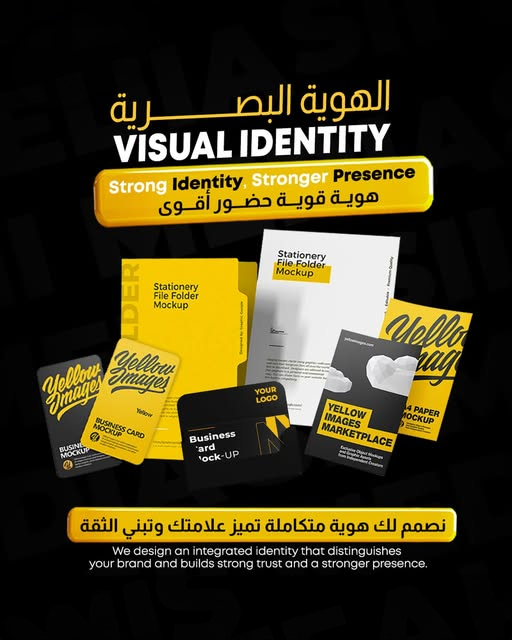
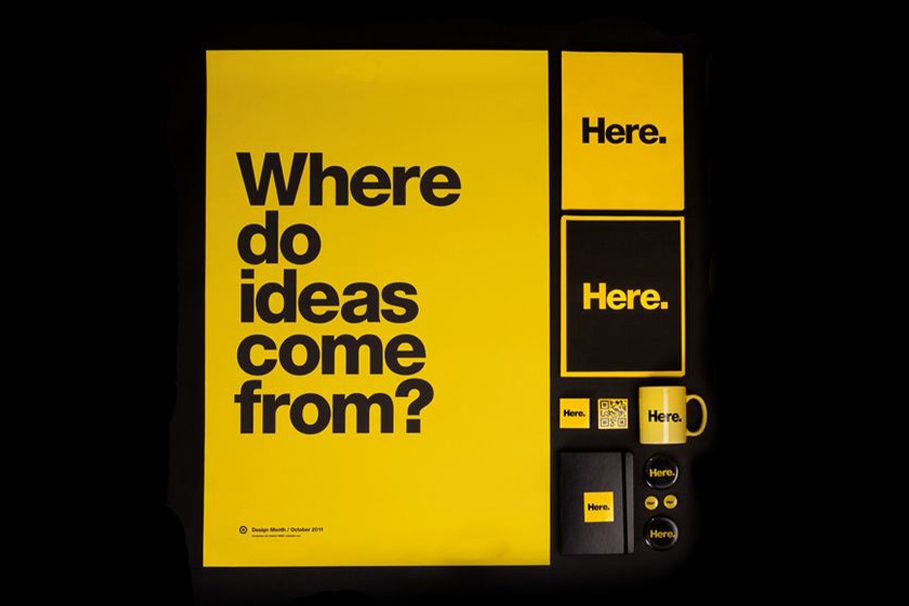
✅ Visual identity (logo, colors, typography)
✅ Tone of voice and communication style
✅ Consistency across digital and physical touchpoints
✅ Emotional perception and credibility
💡 In simple terms:
Branding answers one critical question in the customer’s mind:
“Why should I trust this business?”
━━━━━━━━━━━━━━━━━━
🚀 Why Branding Is Critical for Business Success
Before customers contact a business, they subconsciously evaluate:
🤔 Does this brand look professional?
🤝 Does it feel reliable?
🎯 Does it align with what I’m looking for?
Strong branding helps businesses:
✅ Build trust instantly
✅ Stand out in competitive markets
✅ Increase perceived value
✅ Reduce price sensitivity
✅ Shorten decision-making cycles
💡 Weak branding creates doubt — even when the product or service is excellent.
━━━━━━━━━━━━━━━━━━
⚠️ Common Branding Mistakes Businesses Make
Many businesses struggle with branding because they:
❌ Start with visuals before strategy
❌ Copy competitors instead of differentiating
❌ Change branding frequently without direction
❌ Appear inconsistent across platforms
❌ Treat branding as a one-time project
📉 The result is a brand that exists — but fails to position itself effectively.
━━━━━━━━━━━━━━━━━━
🏗️ The Core Elements of Strong Branding
🎯 1. Clear Brand Positioning
Every strong brand clearly defines:
✅ Who it serves
✅ What problem it solves
✅ What makes it different
Without positioning, branding becomes generic and forgettable.
━━━━━━━━━━━━━━━━━━
🎨 2. Consistent Visual Identity
Consistency creates recognition.
A strong visual identity system includes:
✅ Logo and logo variations
✅ Brand colors
✅ Typography system
✅ Visual guidelines
💡 People trust what they recognize repeatedly.
━━━━━━━━━━━━━━━━━━
💬 3. Clear Brand Voice
How a brand communicates is just as important as how it looks.
A strong brand voice ensures:
✅ Consistent messaging
✅ Clear communication
✅ Strong personality
✅ Better audience connection
Tone, language, and messaging should reflect both the brand values and the audience it serves.
━━━━━━━━━━━━━━━━━━
🔗 4. Alignment Across All Touchpoints
Branding should feel consistent everywhere.
This includes:
✅ Website
✅ Social media
✅ Marketing materials
✅ Presentations
✅ Advertising campaigns
💡 Inconsistency weakens trust.
Consistency strengthens credibility.
━━━━━━━━━━━━━━━━━━
📈 How Branding Impacts Long-Term Growth
Branding is not about short-term attention.
It compounds over time.
Strong brands:
✅ Attract better customers
✅ Build loyalty and retention
✅ Support premium pricing
✅ Create emotional connection
✅ Scale more efficiently
💡 Branding transforms a business from a service provider into a recognizable brand.
━━━━━━━━━━━━━━━━━━
💼 Branding as a Business Asset
When branding is built strategically:
✅ Marketing becomes more effective
✅ Sales conversations become easier
✅ Content feels more intentional
✅ Digital presence becomes stronger
✅ Growth becomes more sustainable
Branding influences every customer interaction before, during, and after the sale.
💡 Branding is not an expense — it is an investment in perception and value.
━━━━━━━━━━━━━━━━━━
🏆 Why Strong Brands Win
Businesses with strong branding:
✅ Build trust faster
✅ Differentiate more effectively
✅ Command higher perceived value
✅ Create stronger market positions
✅ Generate long-term business equity
People remember brands long after they forget advertisements.
━━━━━━━━━━━━━━━━━━
✨ Final Thought
Branding is not about looking good.
It is about being clear, consistent, and credible.
At Sii Media, we believe branding should do more than create attention — it should create trust, differentiation, and long-term value.
Businesses with strong branding don’t compete for attention —
they attract it naturally.
🏷️ العلامة التجارية • الهوية • الإدراك • الثقة
✨ العلامة التجارية ليست مجرد ديكور
العلامة التجارية ليست شعارًا، أو لوحة ألوان، أو اتجاهًا بصريًا عابرًا.
إنها كيفية إدراك العملاء للأعمال، تذكرهم لها، والثقة بها — قبل أي محادثة بيع.
في الأسواق التنافسية، العملاء لا يقارنون الخصائص أولًا، بل يقارنون العلامات التجارية.
━━━━━━━━━━━━━━━━━━
🧠 ما معنى العلامة التجارية حقًا
العلامة التجارية هي النظام الكامل الذي يحدد كيفية تقديم الأعمال نفسها للعالم.
📌 وتشمل:
🎯 تحديد موقع العلامة التجارية ورسالتها
🎨 الهوية البصرية (الشعار، الألوان، الطباعة)
🗣️ نبرة الصوت وأسلوب التواصل
🔗 الاتساق عبر جميع نقاط التواصل الرقمية والمادية
💡 الانطباع العاطفي والمصداقية
💡 باختصار: العلامة التجارية تجيب عن سؤال مهم في ذهن العميل:
❓ “لماذا يجب أن أثق بهذا العمل؟”
━━━━━━━━━━━━━━━━━━
🚀 لماذا العلامة التجارية مهمة لنجاح الأعمال
قبل أن يتواصل العملاء مع الأعمال، يقيمون بشكل غير واعٍ:
👀 هل تبدو هذه العلامة التجارية محترفة؟
🔒 هل تبدو موثوقة؟
🎯 هل تتوافق مع ما أبحث عنه؟
━━━━━━━━━━━━━━━━━━
📈 العلامة التجارية القوية تساعد الأعمال على:
🤝 بناء الثقة فورًا
🏆 التميز في الأسواق المزدحمة
💎 زيادة القيمة المدركة للمنتج أو الخدمة
💰 تقليل حساسية السعر
⚡ تقصير عملية اتخاذ القرار
💡 العلامة التجارية القوية تُسرّع الثقة قبل أي تواصل.
━━━━━━━━━━━━━━━━━━
⚠️ العلامة التجارية الضعيفة
حتى لو كان المنتج أو الخدمة جيدة، العلامة الضعيفة:
❌ تخلق ارتباكًا
❌ تضعف الثقة
❌ تقلل من القيمة المدركة
❌ تعيق القرار الشرائي
━━━━━━━━━━━━━━━━━━
🧩 الأخطاء الشائعة في بناء العلامة التجارية
تواجه العديد من الشركات صعوبات لأنها:
❌ تبدأ بالمرئيات قبل الاستراتيجية
❌ تقلد المنافسين بدل التميز
❌ تغيّر الهوية باستمرار بدون اتجاه
❌ تظهر بشكل غير متسق عبر المنصات
❌ تعتبر العلامة التجارية مهمة لمرة واحدة فقط
📉 النتيجة: علامة موجودة، لكنها بلا تموضع واضح.
━━━━━━━━━━━━━━━━━━
🏗️ العناصر الأساسية للعلامة التجارية القوية
🎯 1. تحديد موقع العلامة التجارية بوضوح
يجب أن تعرف العلامة التجارية:
👥 لمن هي موجهة
🧩 ما المشكلة التي تحلها
⭐ ما الذي يميزها عن الآخرين
💡 بدون تحديد الموقع، تصبح العلامة عامة وغير مميزة.
━━━━━━━━━━━━━━━━━━
🎨 2. هوية بصرية متسقة
الاتساق يولّد التعرف على العلامة التجارية.
📌 نظام بصري قوي يضمن:
• مظهر موحد عبر جميع المنصات
• وضوح بصري مستمر
• تعزيز الذاكرة البصرية
━━━━━━━━━━━━━━━━━━
🗣️ 3. نبرة صوت واضحة
طريقة تحدث العلامة التجارية مهمة بقدر مظهرها.
💡 يجب أن تعكس:
• القيم
• الجمهور المستهدف
• شخصية العلامة
━━━━━━━━━━━━━━━━━━
🔗 4. الانسجام عبر نقاط التواصل
من الموقع إلى وسائل التواصل إلى العروض:
🤝 يجب أن تشعر العلامة بالتماسك
⚠️ الاختلافات تضعف الثقة
📈 الاتساق يعزز المصداقية
━━━━━━━━━━━━━━━━━━
📊 كيف تؤثر العلامة التجارية على النمو طويل المدى
العلامة التجارية ليست لجذب الانتباه اللحظي.
بل تتراكم قيمتها مع الوقت.
📌 العلامات القوية:
👑 تجذب العملاء الأفضل
🔁 تبني الولاء
💰 تدعم التسعير المميز
❤️ تخلق اتصالًا عاطفيًا
🚀 تسهّل التوسع والنمو
💡 العلامة التجارية تحول الأعمال إلى كيان معروف، لا مجرد خدمة.
━━━━━━━━━━━━━━━━━━
💼 العلامة التجارية كأصل استثماري
عندما تُبنى العلامة بشكل صحيح:
📣 يصبح التسويق أكثر فعالية
💬 تصبح المبيعات أسهل
📝 يصبح المحتوى أكثر هدفية
🌐 يصبح الحضور الرقمي أقوى
📈 يصبح النمو أكثر استدامة
💡 العلامة التجارية ليست مصروفًا — بل استثمار في الانطباع والثقة.
━━━━━━━━━━━━━━━━━━
✨ الفكرة النهائية
العلامة التجارية ليست عن المظهر الجيد.
إنها عن الوضوح، الاتساق، والمصداقية.
الأعمال ذات العلامة القوية لا تنافس على الانتباه —
بل تجذبه بشكل طبيعي.