















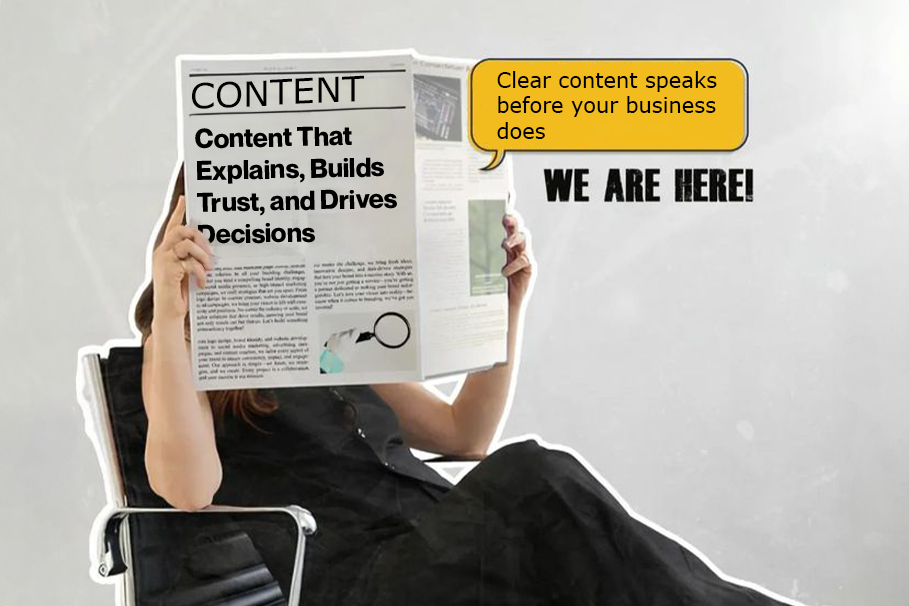
📝 Content • Communication • Storytelling • Business Growth
✨ Content Is More Than Publishing
Content is not about publishing more.
It is about communicating value clearly, consistently, and with intention.
In today’s digital landscape, content is often the first interaction between a business and its audience.
Before customers contact you, they read, watch, and evaluate what you share.
💡 Good content informs.
Great content builds trust and guides decisions.
━━━━━━━━━━━━━━━━━━
🎯 What Content Really Means in Business
Content is how a business explains:
✅ What it does
✅ Why it exists
✅ How it creates value
✅ Why it should be trusted
📌 Content Includes
✅ Website copy and service descriptions
✅ Blog articles and educational resources
✅ Social media captions and storytelling
✅ Visual and video messaging
✅ Thought leadership and industry insights
💡 Content is not filler.
It is a communication system.
━━━━━━━━━━━━━━━━━━
🚀 Why Content Is Essential for Modern Businesses
Customers today are more informed than ever.
Before making a decision, they research, compare, and evaluate their options.
Strong content helps businesses:
✅ Build credibility before contact
✅ Answer common questions proactively
✅ Reduce sales friction
✅ Position expertise and authority
✅ Support marketing and SEO performance
💡 Without content, marketing feels empty and sales feel forced.
━━━━━━━━━━━━━━━━━━
⚠️ Common Content Mistakes Businesses Make
Many businesses struggle with content because they:
❌ Create content without a clear objective
❌ Focus on quantity instead of clarity
❌ Publish inconsistently or randomly
❌ Copy competitors instead of adding value
❌ Treat content as a short-term tactic
📉 The result is content that exists — but fails to influence decisions.
💡 Content only works when it is intentional.
━━━━━━━━━━━━━━━━━━
🏗️ The Core Elements of Effective Content
🎯 1. Clear Purpose
Every piece of content should support a specific objective.
Examples include:
✅ Educating audiences
✅ Explaining services or products
✅ Building trust
✅ Supporting decision-making
Without purpose, content becomes noise.
━━━━━━━━━━━━━━━━━━
👥 2. Audience Understanding
Content should be created for the audience — not the business.
Effective content starts with understanding:
✅ Customer needs
✅ Pain points
✅ Questions
✅ Expectations
💡 Relevance creates engagement.
━━━━━━━━━━━━━━━━━━
💬 3. Clarity Over Complexity
Simple and clear communication performs better than complicated explanations.
Strong content should be:
✅ Easy to understand
✅ Direct and focused
✅ Valuable and actionable
💡 Clarity builds confidence.
━━━━━━━━━━━━━━━━━━
🔄 4. Consistency
Consistency strengthens brand perception.
This includes:
✅ Consistent tone of voice
✅ Consistent messaging
✅ Consistent quality standards
💡 Inconsistency weakens trust.
Consistency builds recognition.
━━━━━━━━━━━━━━━━━━
🔗 5. Alignment With Strategy
Content should support broader business objectives, including:
✅ Branding
✅ Marketing campaigns
✅ SEO performance
✅ Sales funnels
✅ Long-term positioning
Content without alignment loses impact.
━━━━━━━━━━━━━━━━━━
🛤️ How Content Supports the Customer Journey
Content plays a critical role at every stage of the customer journey.
🔍 Awareness
Explaining problems, opportunities, and industry insights.
⚖️ Consideration
Helping audiences compare solutions and understand options.
🤝 Decision
Reinforcing trust, credibility, and confidence before action.
💡 When content is structured correctly, it guides customers naturally — without pressure.
━━━━━━━━━━━━━━━━━━
📈 Content as a Long-Term Business Asset
Unlike advertising, content continues to generate value over time.
Strong content:
✅ Attracts ongoing traffic
✅ Builds authority and expertise
✅ Supports multiple marketing channels
✅ Reduces dependency on paid advertising
✅ Strengthens brand positioning
💡 Content is not a campaign.
It is an investment.
━━━━━━━━━━━━━━━━━━
🌐 How Content Connects to Digital, Marketing & Performance
Content performs best when integrated with:
✅ A strong digital foundation
✅ Clear branding and messaging
✅ SEO and performance tracking
✅ Social media distribution strategies
✅ Conversion-focused user experiences
When content works together with these elements, it becomes a powerful growth driver.
━━━━━━━━━━━━━━━━━━
🏆 Why Content Matters for Business Growth
Businesses with effective content strategies:
✅ Build trust faster
✅ Educate customers more efficiently
✅ Generate higher-quality leads
✅ Improve marketing performance
✅ Create sustainable competitive advantages
Content does more than attract attention.
It creates understanding.
━━━━━━━━━━━━━━━━━━
✨ Final Thought
Content is not about saying more.
It is about saying the right thing, to the right audience, at the right time.
At Sii Media, we believe content should educate, build trust, and support business objectives — not simply fill space.
Businesses that invest in meaningful content don’t need to push harder —
they communicate smarter.
🏷️ المحتوى • التواصل • القيمة • التأثير
✨ المحتوى: كيف يتحول التواصل إلى أداة استراتيجية للأعمال
المحتوى ليس مجرد النشر أكثر.
إنه التواصل بالقيمة بوضوح، باستمرارية، وبنية واضحة.
في البيئة الرقمية اليوم، غالبًا ما يكون المحتوى هو التفاعل الأول بين العميل والشركة.
قبل أن يتواصل العملاء معك، يقرؤون، يشاهدون، ويقيّمون ما تشاركه.
📌 المحتوى الجيد يُشرح.
📌 المحتوى القوي يبني الثقة ويوجه القرارات.
━━━━━━━━━━━━━━━━━━
🧠 ما معنى المحتوى حقًا في الأعمال
المحتوى هو الطريقة التي تشرح بها الشركة:
🎯 ماذا تفعل
💡 لماذا توجد
⚙️ كيف تُنشئ قيمة
🔒 ولماذا يجب الوثوق بها
📌 ويشمل:
📝 نصوص الموقع ووصف الخدمات
📚 المقالات والمدونات التعليمية
📱 منشورات وتعليقات وسائل التواصل الاجتماعي
🎥 الرسائل المرئية والفيديو
🧭 القيادة الفكرية والرؤى
💡 المحتوى ليس مجرد حشو، بل نظام تواصل متكامل.
━━━━━━━━━━━━━━━━━━
🚀 لماذا المحتوى أساسي للأعمال الحديثة
العملاء اليوم أكثر اطلاعًا من أي وقت مضى.
يبحثون قبل الشراء، يقارنون قبل الالتزام، ويثقون بالعلامات التي تُعلّم بدلًا من الضغط على البيع.
━━━━━━━━━━━━━━━━━━
📈 المحتوى القوي يساعد الشركات على:
🔐 بناء المصداقية قبل الاتصال
❓ الإجابة عن الأسئلة الشائعة مقدمًا
💬 تقليل مقاومة المبيعات
🏆 تعزيز الخبرة والسلطة
📊 دعم التسويق وتحسين محركات البحث (SEO)
💡 بدون محتوى، يصبح التسويق ضعيفًا والمبيعات أكثر صعوبة.
━━━━━━━━━━━━━━━━━━
⚠️ الأخطاء الشائعة في المحتوى
كثير من الشركات تواجه مشاكل لأنها:
❌ تنشئ محتوى بدون هدف واضح
❌ تركز على الكمية بدل الوضوح
❌ تنشر بشكل غير منتظم أو عشوائي
❌ تقلد المنافسين بدل تقديم قيمة مضافة
❌ تتعامل مع المحتوى كتكتيك قصير المدى
📉 النتيجة: محتوى موجود — لكنه لا يؤثر.
━━━━━━━━━━━━━━━━━━
🧩 العناصر الأساسية للمحتوى الفعّال
🎯 هدف واضح
كل محتوى يجب أن يخدم غرضًا:
• تعليم
• توضيح
• بناء الثقة
• دعم اتخاذ القرار
💡 بدون هدف، يصبح المحتوى مجرد ضوضاء.
━━━━━━━━━━━━━━━━━━
👥 فهم الجمهور
المحتوى يجب أن يُكتب للقارئ، لا للشركة.
فهم الاحتياجات ونقاط الألم والتوقعات هو الأساس.
━━━━━━━━━━━━━━━━━━
✍️ الوضوح فوق التعقيد
اللغة البسيطة والواضحة تعمل أفضل من الشرح المعقد.
💡 الوضوح يبني الثقة.
━━━━━━━━━━━━━━━━━━
🔁 الاستمرارية
نبرة موحدة، رسالة متسقة، وجودة ثابتة تعزز صورة العلامة.
عدم الاتساق يضعف الثقة.
━━━━━━━━━━━━━━━━━━
🔗 الارتباط بالاستراتيجية
يجب أن يدعم المحتوى:
🏷️ العلامة التجارية
📣 التسويق
🔍 تحسين محركات البحث
💼 مسارات المبيعات
📈 النمو طويل المدى
💡 بدون هذا الارتباط، يفقد المحتوى تأثيره.
━━━━━━━━━━━━━━━━━━
🧭 كيف يدعم المحتوى رحلة العميل
📍 الوعي: شرح المشكلة والفرص
📍 التفكير: مقارنة الحلول والخيارات
📍 القرار: تعزيز الثقة والمصداقية
💡 عندما يُبنى المحتوى بشكل صحيح، يوجه العميل بشكل طبيعي دون ضغط.
━━━━━━━━━━━━━━━━━━
📊 المحتوى كأصل طويل المدى
على عكس الإعلانات، المحتوى يتراكم ويزداد قيمته مع الوقت.
📌 المحتوى القوي:
🔁 يجذب الزوار باستمرار
🏆 يبني السلطة والمصداقية
📡 يدعم قنوات متعددة
💰 يقلل الاعتماد على الإعلانات المدفوعة
🏷️ يعزز موقع العلامة التجارية
💡 المحتوى ليس حملة مؤقتة — إنه استثمار استراتيجي.
━━━━━━━━━━━━━━━━━━
🌐 كيف يرتبط المحتوى بالأنظمة الرقمية
المحتوى يصبح أقوى عندما يرتبط بـ:
💻 أساس رقمي قوي
🏷️ علامة تجارية ورسائل واضحة
🔍 SEO وتتبع الأداء
📣 استراتيجية توزيع المحتوى
🎯 تجربة مستخدم موجهة للتحويل
💡 عند التكامل، يصبح المحتوى محرك نمو فعلي.
━━━━━━━━━━━━━━━━━━
✨ الفكرة النهائية
المحتوى ليس عن قول المزيد.
بل عن قول الشيء الصحيح، للجمهور الصحيح، في الوقت الصحيح.
الشركات التي تستثمر في محتوى هادف لا تحتاج إلى الصراخ أكثر —
بل تتواصل بذكاء أكبر.